
Full Protocol Guide

Lipo-C with B12 10mg

A lipotropic and B12 formulation entry for ingredient review and safety screening.
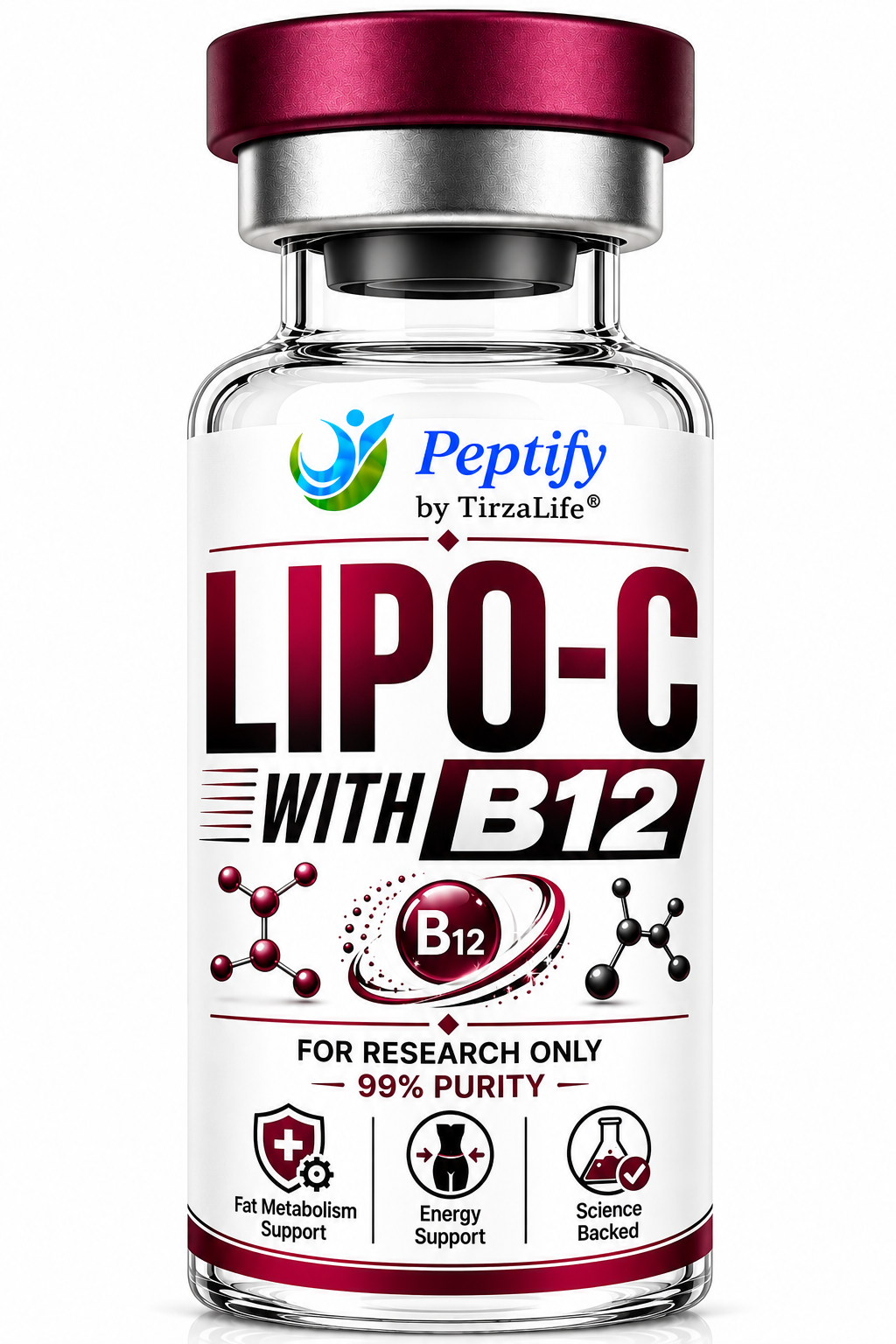
Lipo-C with B12 10mg product vial
Lipo-C with B12 10mg vial Beauty, Wellness & Lifestyle
ProductLipo-C with B12 10mg
CategoryBeauty, Wellness & Lifestyle
FormatLipo-C with B12 10mg vial
ReviewSource-linked guide

Contents

Use this guide as a structured review page. The same headings appear for every protocol so clients and the care team can scan the page consistently.

Protocol Overview

Lipo-C with B12 formulations can vary, so the label and certificate of analysis should confirm the exact carnitine, choline, methionine, inositol, and vitamin content before use is discussed. Review should include B12 status, liver and kidney history, allergies, anticoagulants or thyroid medications, pregnancy status, and clinician oversight with no guaranteed weight-loss claims.

  • Ingredient and concentration verification
  • B12 and lipotropic context
  • Allergy and medication screening
  • Clinician-guided safety discussion

Important Note

This page is informational and does not authorize use. Peptify clients should complete assessment, disclose medications and health history, and follow the clinician-approved plan only.

  • Do not start, stop, combine, or change a protocol based only on website content.
  • Emergency symptoms require urgent medical care, not a website or routine follow-up message.

Quickstart Highlights

No. Discard any LIPO-C solution reconstituted more than 72 hours ago. Methionine oxidation begins immediately upon reconstitution and accelerates beyond the 72-hour mark. The solution may look clear and sterile, but the lipotropic amino acids have degraded below therapeutic concentration. Using expired LIPO-C wastes the injection without delivering fat metabolism benefits. You're essentially injecting bacteriostatic water with trace B12.

  • LIPO-C must be reconstituted with bacteriostatic water at a 1:1 or 2:1 dilution ratio and refrigerated immediately at 2–8°C to prevent methionine oxidation.
  • The standard therapeutic dose is 0.5–1.0mL subcutaneously once weekly, injected into the lower abdomen or lateral thigh with a 25G or 27G needle.
  • Reconstituted LIPO-C remains stable for only 72 hours at refrigeration temperature. This is a hard ceiling, not an estimate.
  • Lipotropic amino acids (methionine, inositol, choline) activate fat metabolism pathways that B12 alone does not target, making LIPO-C a metabolic support compound rather than a deficiency treatment.
  • Temperature excursions above 8°C cause irreversible degradation that neither appearance nor home potency testing can detect.
  • Subcutaneous injection technique requires a 45-degree needle angle into pinched skin. Rotate sites weekly to prevent lipohypertrophy.
  • Discard it. Eight hours at room temperature (20–25°C) causes methionine degradation of 25–40%, rendering the compound subtherapeutic. The benzyl alcohol in bacteriostatic water prevents bacterial contamination, but it does not prevent oxidative breakdown of the active lipotropic agents. There is no salvage protocol. Once oxidised, the compound cannot be restored.
  • LIPO-C does not produce immediate subjective effects the way some peptides or stimulants do. The lipotropic pathway activates fat mobilisation over days to weeks, not hours. If you reconstituted correctly, refrigerated immediately, and injected the full dose subcutaneously, the compound is working. The absence of a noticeable 'feeling' is expected. Measurable outcomes (body composition changes, lipid panel improvements) appear after 4–8 weeks of consistent weekly administration, not after a single injection.
  • Here's the honest answer: LIPO-C is not a substitute for addressing dietary B12 deficiency through food or oral supplementation. It's a metabolic support compound that happens to include B12 as one component. The marketing around lipotropic injections often overstates the fat loss effect while understating the storage complexity. You cannot 'boost metabolism' with a single weekly injection if your diet, sleep, and activity patterns work against fat oxidation the other six days.
  • The mechanism is real. Methionine, inositol, and choline support hepatic fat metabolism and methylation pathways. But the effect size is modest and conditional. Research from the Journal of Clinical Endocrinology found that lipotropic injections combined with caloric restriction produced 3–5% greater fat loss than restriction alone over 12 weeks. That's meaningful but not transformative. If you're using LIPO-C as part of a structured protocol with dietary support, it adds value. If you're using it as a standalone fat loss solution while eating ad libitum, you're wasting money.
  • The 72-hour stability window is the most underreported constraint. Most B12 protocols assume 28-day refrigerated stability because that's the standard for methylcobalamin. LIPO-C doesn't follow that rule, and the degradation curve is steep. A vial left at room temperature for six hours isn't 'slightly less effective'. It's functionally inert.
  • LIPO-C works best as an adjunct to structured fat loss protocols, not as a primary intervention. Use it correctly. Reconstitute fresh, refrigerate immediately, inject within 72 hours. Or skip it entirely. Half-measures waste the compound.
  • If precise amino-acid sequencing and compound purity matter to your research, explore our full peptide collection. Every product is synthesised in small batches with third-party verification to ensure consistency across vials.
  • The information in this article is for educational purposes. Reconstitution, dosing, and injection protocols should be implemented in consultation with a licensed prescribing physician.
  • If reconstitution feels like the weak link in your protocol, it probably is. LIPO-C demands precision at the mixing stage. One pressure error or one temperature excursion negates the lipotropic benefit entirely, and there's no visual cue to warn you the compound has degraded. The 72-hour window isn't negotiable, the refrigeration range isn't a guideline, and the bacteriostatic water ratio isn't approximate. Get those three variables right, and LIPO-C delivers exactly what the methionine-inositol-choline mechanism promises. Miss any one of them, and you're injecting expensive saline.
  • Reconstituted LIPO-C remains stable for a maximum of 72 hours when stored at 2–8°C in a refrigerator. This is a hard ceiling, not an estimate — methionine and inositol oxidise rapidly in aqueous solution, and degradation accelerates beyond the 72-hour mark. Unlike standalone methylcobalamin, which remains stable for 28 days, lipotropic complexes have a far shorter usable window due to amino acid oxidation.
  • Yes, LIPO-C can be used alongside oral B12 supplementation without contraindication — the compounds work through different pathways and do not compete for absorption. LIPO-C delivers methionine, inositol, and choline for lipotropic fat metabolism support, while oral B12 supports methylation and red blood cell formation. The B12 component in LIPO-C is secondary to the lipotropic agents, so concurrent oral supplementation is safe and often beneficial for patients with documented B12 deficiency.
  • LIPO-C contains methionine, inositol, choline, and B12 in a single formulation, targeting fat metabolism pathways in addition to B12 repletion. Standalone B12 injections contain only cyanocobalamin or methylcobalamin and are used primarily to correct deficiency or support methylation. LIPO-C is a metabolic support compound, while standalone B12 is a deficiency treatment — the mechanisms and intended outcomes differ significantly.
  • Correct subcutaneous injection technique involves pinching the skin to create a fold, inserting the needle at a 45-degree angle into fatty tissue, aspirating briefly to confirm you’re not in a blood vessel, and injecting slowly over 5–10 seconds. You should feel minimal resistance and no sharp pain — if you experience burning or significant discomfort, you may be injecting into muscle rather than subcutaneous fat. Rotate injection sites weekly to prevent lipohypertrophy.
  • If you miss a weekly LIPO-C injection by fewer than 3 days, administer the missed dose as soon as you remember and continue your regular schedule. If more than 3 days have passed, skip the missed dose and resume on your next scheduled date — do not double-dose. Missing doses does not cause harm but interrupts the lipotropic pathway support, which may delay measurable fat metabolism outcomes.
  • LIPO-C is generally well-tolerated when administered correctly, but localised injection site reactions (redness, swelling, tenderness) occur in 10–20% of patients during the first few weeks. Systemic side effects are rare but can include mild nausea or headache if the dose is too high. Allergic reactions to benzyl alcohol (the preservative in bacteriostatic water) are uncommon but possible — if you develop hives, difficulty breathing, or swelling after injection, discontinue use and contact a physician immediately.
  • In most jurisdictions, LIPO-C injections require a prescription from a licensed healthcare provider because they contain controlled pharmaceutical compounds (cyanocobalamin or methylcobalamin) and are administered parenterally. Compounded LIPO-C is available through telehealth prescribers or integrative medicine clinics, but self-administration without medical oversight is not recommended due to dosing, storage, and technique considerations.
  • LIPO-C supports fat metabolism by delivering methionine, inositol, and choline — three lipotropic agents that enhance hepatic fat oxidation and prevent lipid accumulation in liver cells. Methionine acts as a methyl donor for fat breakdown, inositol supports insulin sensitivity and lipid transport, and choline prevents fatty liver by promoting phospholipid synthesis. Diet alone does not deliver these compounds in the concentrated, bioavailable form that subcutaneous injection provides.
  • Discard any LIPO-C solution that appears cloudy, discoloured, or contains visible particles — these are signs of contamination or degradation. Properly reconstituted LIPO-C should be clear to slightly opalescent with no sediment. Cloudiness indicates bacterial contamination or protein denaturation, both of which render the compound unsafe and ineffective. Do not attempt to salvage or filter the solution — reconstitute a fresh vial using aseptic technique.
  • No — LIPO-C is not effective for weight loss without concurrent dietary modification and caloric deficit. The lipotropic agents support hepatic fat metabolism and mobilisation, but they do not create a caloric deficit on their own. Research shows that lipotropic injections combined with caloric restriction produce 3–5% greater fat loss than restriction alone, but patients who rely on LIPO-C without dietary support see minimal to no measurable weight reduction.
  • Research Blogs Open source
  • Popular Peptides Open source
  • Get Free Guide Open source
  • Our Ambassadors Open source
  • Become an Affiliate Open source
  • Affiliate Login Open source
  • Affiliate Portal Open source
  • support@realpeptides.co
  • +1 813-330-0290
  • All products on this site are for research and development use only. Products are not for human consumption of any kind. The statements made on this website have not been evaluated by the US Food and Drug Administration. The statements and the products of this company are not intended to diagnose, treat, cure, or prevent any disease.
  • Real Peptides is a chemical supplier. Real Peptides is not a compounding pharmacy or chemical compounding facility as defined under 503A of the Federal Food, Drug, and Cosmetic Act. Real Peptides is not an outsourcing facility as defined under 503B of the Federal Food, Drug, and Cosmetic Act.
  • All products are sold for research, laboratory, or analytical purposes only, and are not for human consumption.
  • © 2025 Real Peptides.
  • Privacy policy Open source
  • Refund policy Open source
  • Shiping policy Open source
  • Contact information Open source
  • Login
  • Register
  • End of Content.

References

Reference source used for this protocol page.